Discovery
Understanding the problem before defining the solution
The core question was simple: what does it take today for someone in Nigeria to rent a number, buy an eSIM, pay for a foreign subscription or boost a page, and where does it break? Discovery ran in four streams: desk research on the market, a review of the products people already use, conversations with target users, and interviews with the PanelPay team about goals and support.
Desk research
A market shaped by the dollar
The naira fell from about ₦449 to ₦899 per dollar between 2022 and 2023. During that crisis, GTBank, Zenith, First Bank and Standard Chartered stopped international transactions on naira cards. When some banks restored access in 2025, GTBank capped it at $1,000 per quarter.
That pushed everyday foreign spending (Netflix, ChatGPT, Canva, app subscriptions) onto virtual dollar cards and informal vendors. Number rental, meanwhile, depended on overseas platforms. When SMS-Activate, one of the largest, shut down at the end of 2025, users lost access to their balances overnight.
For our users, the hard part wasn't finding a service. It was finding one they could pay for in naira and trust with their money.
Competitive review
Six categories, at least six different apps
Before PanelPay, covering the same jobs meant using at least one specialist product per category. I reviewed the leading option in each, plus their store reviews and Trustpilot pages, looking for what to copy and what to avoid.
| Job | Products reviewed | What works | Where it breaks |
|---|
| Rent a number for OTP | SMS-Activate, 5sim, SMSPool | Huge country and app coverage, pay per code | Crypto or card top-ups only, dense dashboards, no naira, balances lost on shutdown |
| Travel data | Airalo, Holafly | Simple install, plans grouped by country | Dollar card required; support complaints when a plan won't connect |
| Foreign subscriptions | Grey, Chipper Cash, Geegpay | Instant virtual USD cards | 1–3% FX markup, maintenance and decline fees, single-purpose apps |
| Gift cards | Cardtonic, Prestmit | Fast naira payouts, brand catalogue | Built for selling cards, not buying them |
| Bills and airtime | OPay, PalmPay | Trusted, fast, everyone already has one | Local services only, nothing in dollars |
| Social growth | SMM panels sold on Telegram and WhatsApp | Cheap and fast when they work | Pay a stranger by transfer, no order status, no refunds |
Two patterns stood out. The specialist apps were trusted for one job each, but none of them accepted naira for dollar services. And the services with the worst trust problems (numbers and boosts) were the ones people bought most often.
User research
Conversations with people who already buy these services
I spoke remotely with regular buyers in Lagos and Abuja who had bought at least two of these services in the last three months: social media managers, remote workers paid in dollars, and students running small online businesses. Each person walked through their most recent purchase step by step, sharing screenshots where they had them.
- Walk me through the last time you bought a number, boost or subscription. Where did you start?
- How did you pay, and how did you know the payment went through?
- What happened when the order was late or didn't work?
- How many different apps or vendors do you use for these things today?
- If one app did all of this, what would make you trust it with your money?
Key insights
- Receipts were screenshots. People kept proof of payment in their camera roll because vendors gave them nothing else.
- Trust came before price. Most would pay a little more to a known app over a cheaper vendor they'd have to transfer money to.
- Order status was a black box. Nobody could tell whether a boost had started or whether a rented number was still live.
- Everyone thought in two currencies. They checked the dollar price, then the naira cost, then the rate, before every purchase.
- First-time use needed hand-holding. eSIM installs and number verification went wrong mostly on the first try.
Stakeholder research
Business goals
Sessions with the founders and operations lead set four goals the design had to serve:
- Grow wallet funding. Revenue came from margins on each service, so a funded wallet was the start of every sale.
- Cross-sell. Someone who arrived to rent a number should find eSIMs, cards and boosts without being sold to.
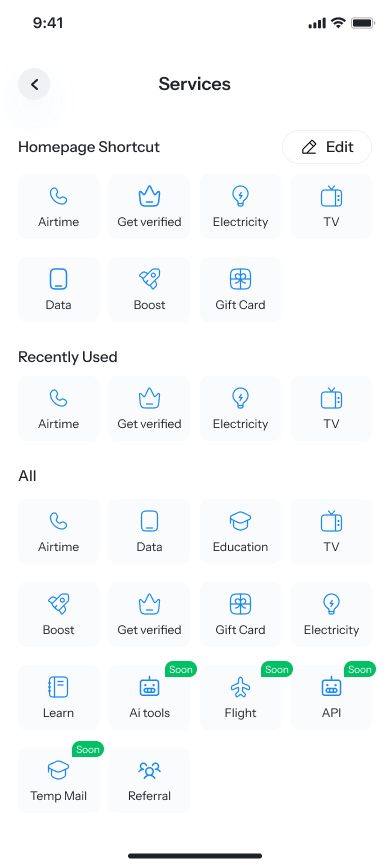
- Ship services fast. New services had to launch in weeks, without redesigning navigation each time.
- Stay compliant. Higher limits and dollar features had to sit behind KYC, without blocking a first purchase.
Support load
What people were contacting support about
A review of support chats and the operations team's notes grouped requests into four themes. Each became a design requirement.
| Request | Root cause | Design response |
|---|
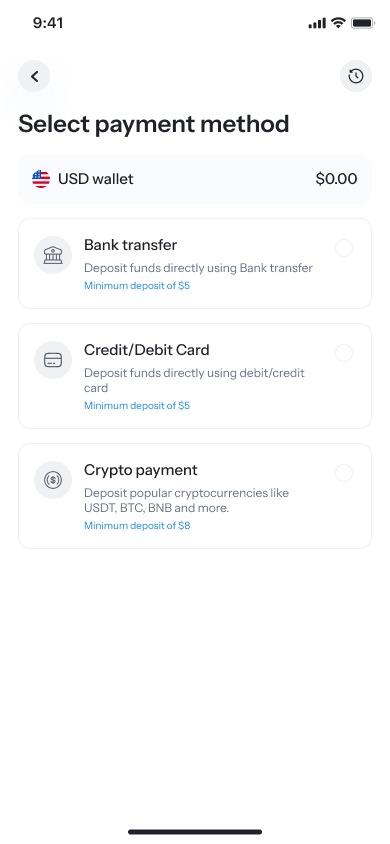
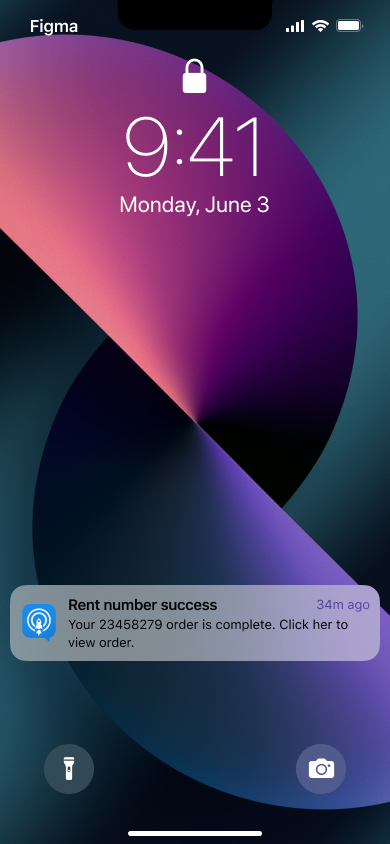
| "I've paid but my wallet isn't funded" | Bank transfers with no confirmation step | Dedicated account details, minimums shown up front, "I have made payment" confirmation, push notification on credit |
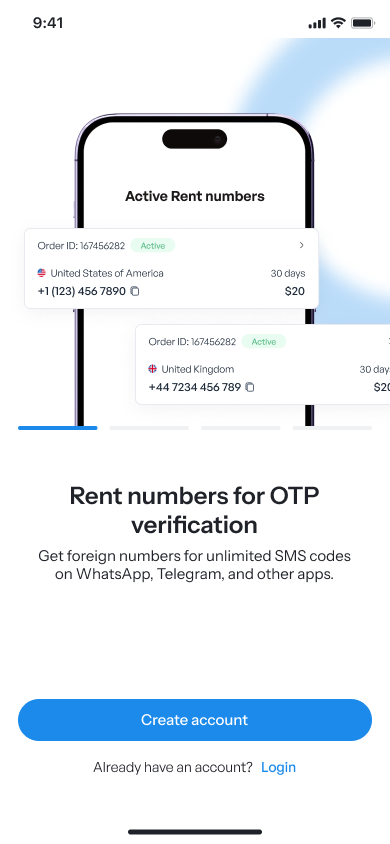
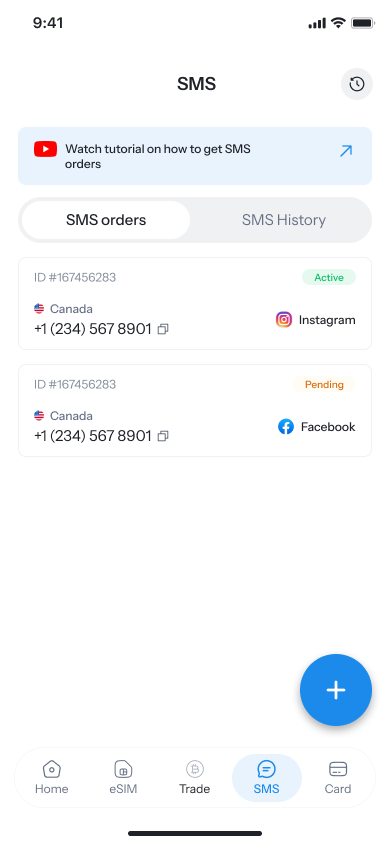
| "My number didn't get the code" | No visibility into the number's state or expiry | Order ID, status pill and remaining time on every rental |
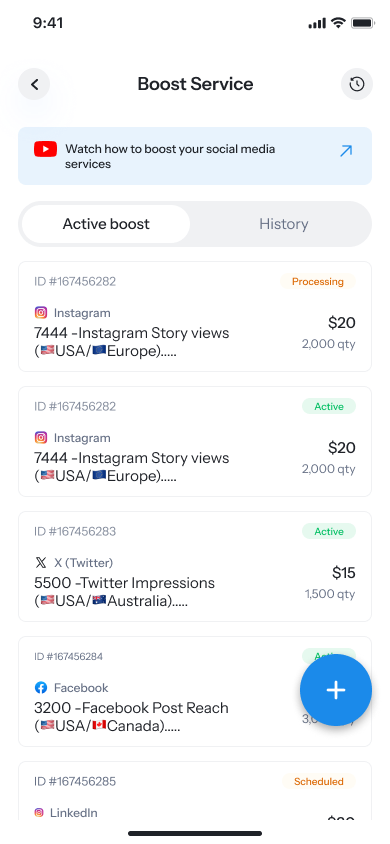
| "Has my boost started?" | Orders run in batches with no feedback | Processing, Active and Scheduled states, plus order history |
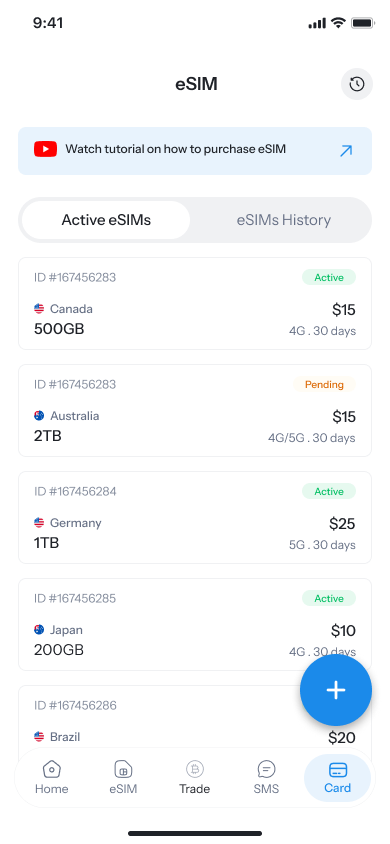
| "How do I install the eSIM?" | First-time setup with no guidance | Tutorial video pinned to the top of each service page |
Synthesis
From findings to design principles
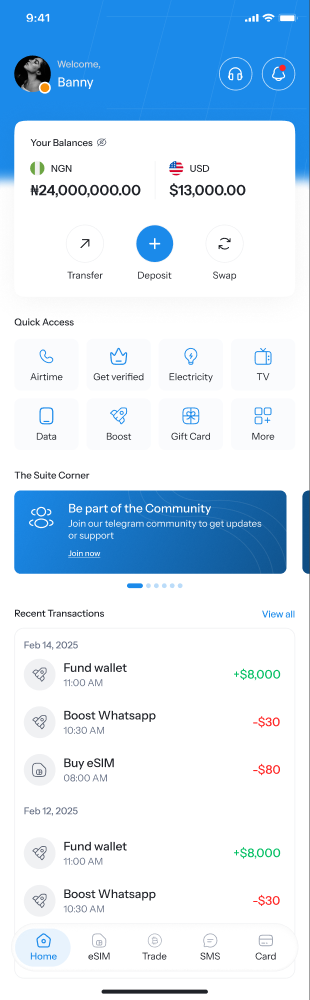
- One wallet, one way to pay. Every service checks out the same way, so trust built in one flow carries to the next.
- Status is part of the product. Every order gets an ID, a status and a history.
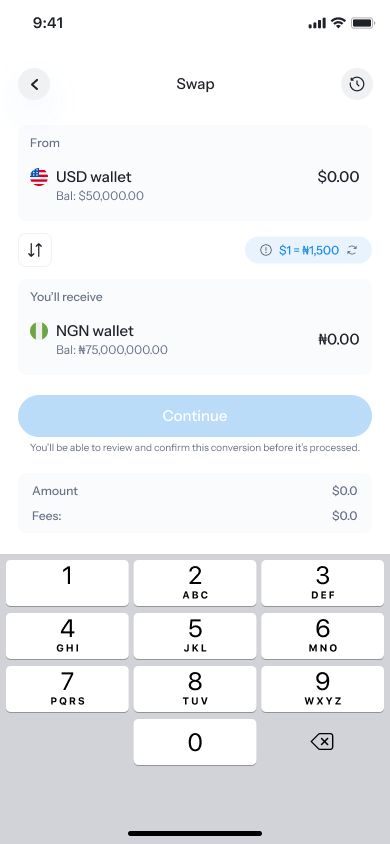
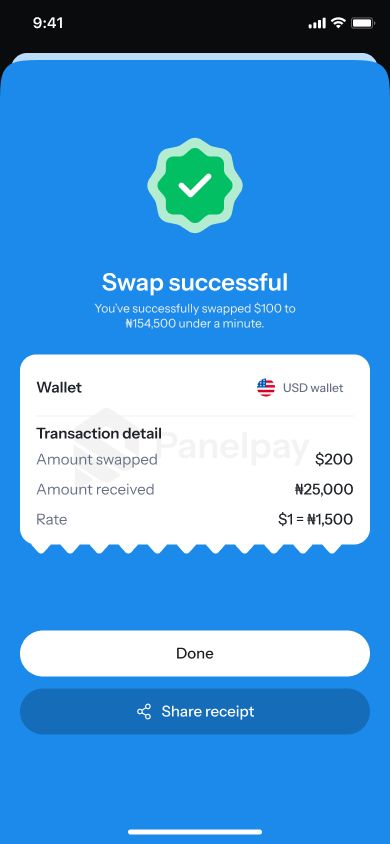
- Show the rate before the money moves. Naira and dollar values sit side by side wherever money changes hands.
- Teach in place. Tutorials live on the page where they're needed, not in a help centre.
- Grow without reshuffling. New services slot into one directory instead of changing the home screen.
Sources for desk research